August 11, 2026
Tree removal services play a pivotal role in maintaining the safety of both urban and rural landscapes by managing hazardous trees. These services are crucial, especially in identifying and mitigating the risks posed by weak or dead trees, which can lead to property damage or serious injuries. With specialized equipment and trained professionals, tree removal services offer practical solutions for the safe elimination of threatening trees. Understanding the processes involved in this industry highlights their importance in preserving both life and property.
Identify Warning Signs of Hazardous Trees
Identifying hazardous trees involves recognizing certain key indicators that could signify potential failure. These indicators include visible signs of decay, such as mushroom conks growing on the trunk or large branches, dead limbs, or cracked stems. Another common indicator is the presence of cavities or hollows in the trunk, which may compromise the structural integrity of a tree. Additionally, a lean in the tree that was not present before, particularly if the soil is cracked or uplifted around the base, can be a red flag. Observing changes in leaf color, premature leaf drop, or excessive wilting can also point toward underlying health issues. At times, neighboring trees showing unexplained growth symptoms may reflect shared root diseases spreading across multiple trees. Seasonal changes in weather patterns, such as heavy winds and rain, may exacerbate existing vulnerabilities, making regular checks important.
Pest infestations are also a significant indicator of a tree's declining health. Insects such as borers and beetles can weaken a tree's structure, increasing the probability of breakage. Unfortunately, many tree infestations go unnoticed until significant damage is evident. Regular inspections by tree removal services can detect these problems early and prevent potential hazards. These services provide integrated pest management solutions tailored to specific types of trees and pests, which helps in curbing potential infestations. Homeowners should be encouraged to observe and report any unusual activity, such as excessive sap flow or a sawdust-like substance near the base. Early intervention can often reverse damage and restore trees to health, negating the need for removal.
Finally, external damage caused by storms, lightning strikes, or mechanical impacts can contribute to a tree becoming hazardous. Such damage might be visible, like a large split branch, or internal, where it progressively weakens the tree without immediate visual signs. Tree removal services are equipped to assess and address these dangers effectively before they escalate. Service providers can also offer storm preparedness assessments and develop disaster response plans to safeguard vulnerable trees. In regions prone to lightning or frequent storms, installing lightning protection systems can preserve valuable trees. Professional tree care extends beyond immediate threats, focusing on preventive measures to improve resilience against future hazards.
Assess Tree Risks With Professional Expertise
The importance of professional assessment lies primarily in the expertise brought by tree removal services professionals. These experts possess the knowledge to accurately identify hazardous trees and evaluate the risks they pose. Trees may appear vigorous at a glance but could harbor hidden weaknesses that only a trained eye can discern. Their evaluations are crucial in preventing potential property damage and injuries resulting from unexpected tree failures. Advanced techniques may be employed for precise diagnostics. Qualifications and continued education ensure that arborists are updated on the latest tree care practices and assessments. The collaboration between arborists, botanists, and ecologists enriches the decision-making process regarding urban forestry management.
In addition, professional assessments guide the decisions on whether a tree should be pruned, supported with cables, or entirely removed. Not all trees exhibiting hazardous characteristics need immediate removal; some can be preserved with proper interventions. This is why relying solely on visual assessment by an untrained person might not be adequate. Certified arborists from tree removal services use a combination of diagnostic tools and strategic planning to ensure safety. They've been known to innovate with tree technologies, adopting drones for aerial assessments and remote sensor readings. Interactive consultations with homeowners foster informed choices and encourage responsible stewardship of property landscapes. Documented assessments offer legal and insurance compliance in cases of dispute or claims arising from tree failures.
Furthermore, according to the U.S. Bureau of Labor Statistics, the building and dwelling services industry employs the largest number of tree care workers, with over 44,500 people working in this sector. This indicates the significant demand for professional tree care services and the reliance on skilled workers to manage hazardous trees safely. The expertise of these professionals is crucial in formulating effective management strategies for hazardous trees within community environments. Their industry strength underscores the critical role tree services play in community planning and utility corridor maintenance. Collaborations between local agencies and tree care providers improve response strategies during adverse weather events. These initiatives foster safer urban developments, integrate green spaces, and enhance biodiversity conservation efforts.
Remove Hazardous Trees Using Safe Techniques
The removal of hazardous trees is a complex procedure that requires careful planning and execution for optimal safety. Initially, a comprehensive assessment is conducted to understand the specific risks associated with the tree in question. Factors such as the tree's proximity to buildings, power lines, and other structures are taken into consideration. Proper planning ensures that the tree is removed safely without causing unintended damage to its surroundings. Prior briefings focus on site-specific safety measures and possible escape routes. Simulation models might be utilized to predict tree behavior upon cutting, enhancing precision during removal. Safety audits conducted before and after tree removal procedures ensure adherence to industry safety standards.
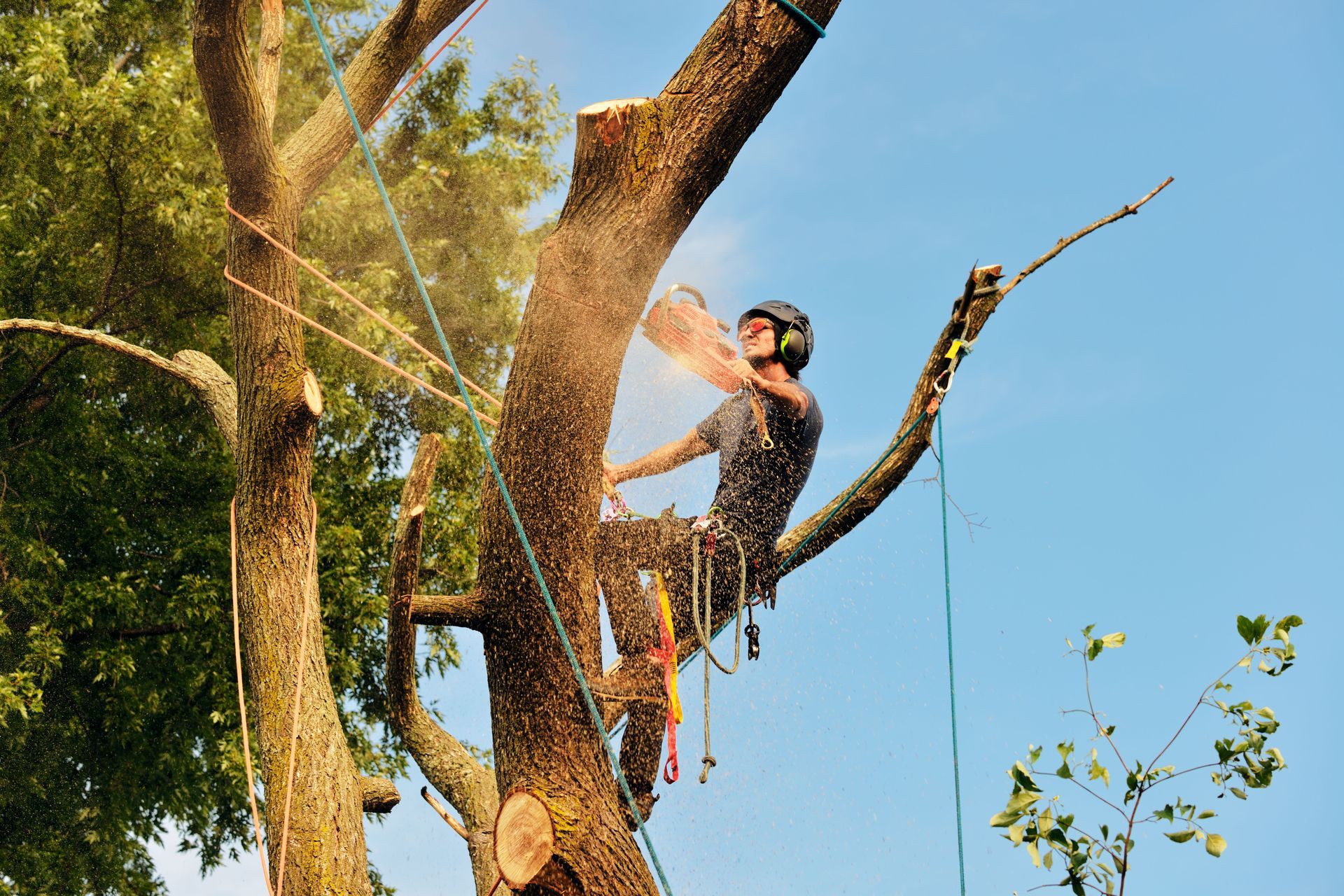
Once the assessment is complete, tree removal services employ a range of techniques and specialized equipment to safely dismantle the tree. Techniques such as sectional dismantling, rigging, and strategic cutting are employed to ensure controlled removal. In cases where trees are located near power lines or roads, aerial lifts may be used to enhance the safety and precision of the process. The priority is always to minimize risk while executing a flawless operation. The integration of GIS mapping can improve route planning and logistic efficiency during tree removal. Specialist tools powered by hydraulics and engineered technology offer maneuverability even in constricted spaces. Training in emergency response equips workers to handle unforeseen situations during tree felling operations.
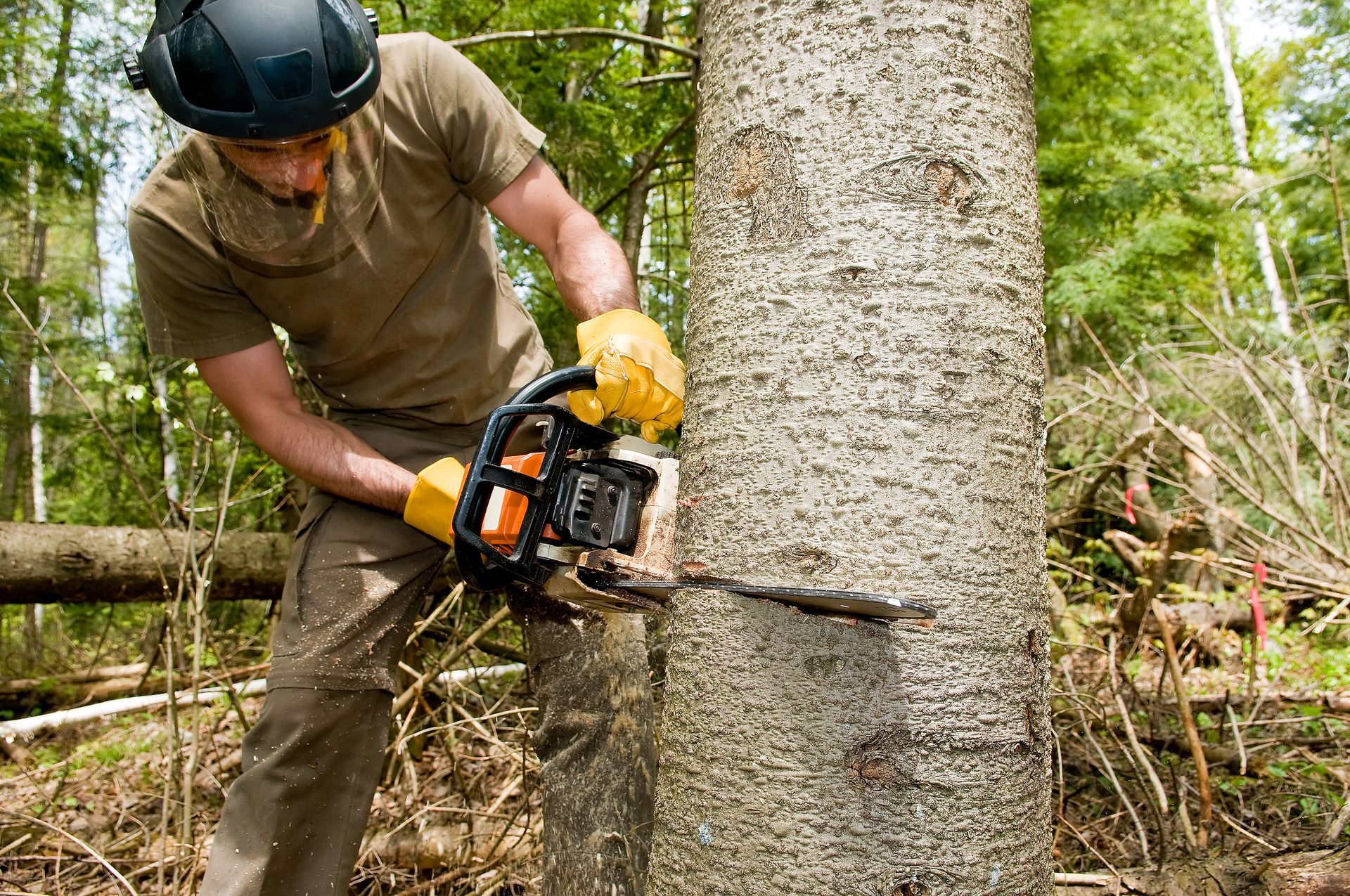
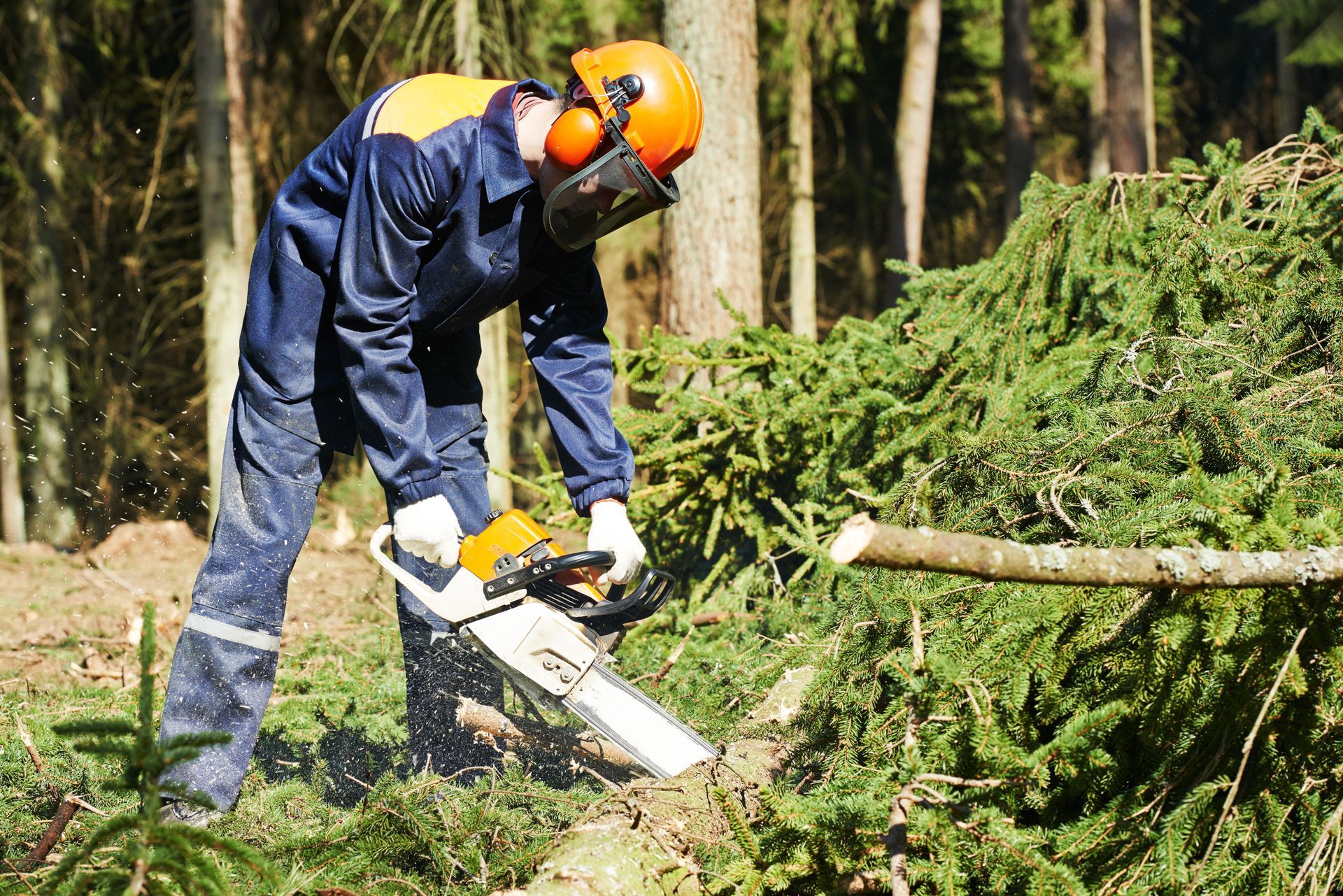
With safety equipment and protocols in place, trained tree removal personnel carry out the removal process methodically. Protective gear, including helmets, gloves, and chainsaw protective clothing, is worn to prevent injury during operations. By enlisting the expertise of professionals, property owners can rest assured that hazardous trees are managed safely and effectively. Tree removal services not only provide technical execution but also peace of mind, knowing that their environment is secured against tree-related hazards. Proper waste management practices are also employed to recycle tree material, contributing to environmental sustainability. Regular feedback sessions post-operations help in improving service efficiency and customer satisfaction. Progressive tree care policies consider eco-friendly practices to repurpose logs for community woodworking projects.
Tree removal services perform an essential role in the safe management and removal of hazardous trees. Their expertise in identifying risk indicators, conducting professional assessments, and safely executing removal services is invaluable in ensuring community safety. With a large workforce dedicated to tree care, these professionals offer critical services that protect both people and property. The efficient handling of hazardous trees is a testament to the critical role tree removal services play in safety and environmental maintenance. As urban areas continue to expand, the demand for skilled tree management services is expected to grow. Reach out to Northern Woods Tree Service to learn more about our services today.