November 18, 2026
Healthy roots are essential for maintaining a tree's stability, growth, and overall condition. They absorb water and nutrients, anchor the trunk, and support healthy foliage. Unfortunately, root rot can gradually compromise these functions before homeowners notice visible symptoms. This condition often develops when excessive moisture, poor drainage, or disease-causing organisms interfere with root health. Because much of the damage occurs underground, identifying problems early can be challenging. Professional arborists use inspections, diagnostic techniques, and targeted management strategies to evaluate affected trees. Understanding how a tree service identifies and addresses early root rot can help property owners recognize warning signs, protect valuable landscaping, and make informed decisions about tree care.
Recognizing the Early Warning Signs of Root Rot
Root rot often begins beneath the soil surface, making its earliest symptoms difficult to detect. Homeowners may notice yellowing leaves, reduced foliage density, stunted growth, or weakened branches. Some trees develop smaller leaves or experience premature leaf drop during the growing season. These changes occur because damaged roots struggle to absorb sufficient water and nutrients. However, similar symptoms can result from drought, compacted soil, or nutrient deficiencies.
Arborists examine the entire tree to determine whether visible symptoms suggest root deterioration. They evaluate foliage color, branch development, trunk condition, and overall growth patterns. A professional tree service may also inspect the surrounding landscape for standing water, fungal growth, or changes in soil conditions. Comparing affected trees with healthy specimens nearby provides additional clues. Early evaluation helps distinguish potential root problems from other environmental stresses.
Evaluating Soil Moisture and Drainage Conditions
Excessive soil moisture is a common factor contributing to root rot. Tree roots require oxygen to function properly, but waterlogged soil limits air availability underground. Prolonged saturation can weaken roots and create favorable conditions for certain disease-causing organisms. Poor drainage, excessive irrigation, and landscaping changes may increase these risks. Properties with compacted soil or low-lying planting areas can be particularly vulnerable to moisture-related problems.
During an assessment, arborists examine soil texture, moisture levels, drainage patterns, and nearby irrigation systems. They may use soil probes to evaluate underground conditions. Observing how quickly water drains after rainfall can also provide useful information. When excessive moisture is identified, recommendations may include adjusting watering schedules, redirecting runoff, or improving drainage. Correcting moisture problems can reduce ongoing stress and help preserve healthy roots.
Inspecting Root Systems for Physical Deterioration
Direct examination of accessible roots can reveal important evidence of disease. Healthy roots generally have firm tissues, while severely decayed roots may appear darkened, softened, or brittle. Some affected roots lose their outer tissues, leaving weakened internal structures. Root deterioration can also occur near the trunk, where major supporting roots connect to the tree. Extensive decay in these areas may create significant safety concerns.
Arborists may carefully expose limited sections of the root collar or surrounding soil to examine suspicious areas. Specialized equipment can sometimes remove soil without damaging sensitive roots. A qualified tree service evaluates deterioration while avoiding excessive excavation that could worsen existing problems. Professionals also look for injuries, girdling roots, and evidence of previous construction disturbances. These observations help determine whether damage is localized or widespread.
Identifying Pathogens and Related Tree Diseases
Several organisms can contribute to root rot, including certain fungi and water molds. Different pathogens affect tree species differently, making accurate identification important when developing a management plan. Some organisms attack fine feeder roots, while others damage larger structural roots or tissues near the trunk. Environmental stress can increase susceptibility, particularly when trees experience prolonged saturation or physical injuries.
Professional arborists combine field observations with information about the tree species, site history, and environmental conditions. When necessary, they may recommend laboratory testing of affected tissues or soil samples. Diagnostic laboratories can help identify pathogens and distinguish infectious diseases from other causes of decline. Understanding the organism involved allows professionals to recommend appropriate management strategies and identify potential risks to nearby trees.
Improving Growing Conditions to Support Recovery
Once root rot is suspected or confirmed, improving the surrounding environment becomes an important priority. Trees experiencing root damage need suitable soil conditions to maintain their remaining healthy tissues. Excessive irrigation should be corrected, and drainage concerns may require attention. Soil compaction can also restrict oxygen movement and interfere with root development. However, unnecessary excavation may damage roots that are still functioning properly.
An experienced tree service can recommend adjustments based on the tree's condition and surrounding landscape. These recommendations may involve modifying irrigation practices, improving surface drainage, or applying appropriate mulch around the root zone. Mulch should remain away from direct contact with the trunk to avoid trapping moisture against the bark. Improving growing conditions cannot reverse existing decay, but it may support surviving roots.
Applying Appropriate Treatments for Root Diseases
Treatment options depend on the underlying cause, severity of damage, and tree species involved. Certain root diseases may respond to carefully selected chemical treatments, while others have no reliable curative options. Fungicides are not universally effective against every organism associated with root rot. Applying inappropriate products can waste resources without addressing the actual problem. Treatment decisions should therefore follow a thorough diagnosis.
Arborists evaluate available treatments and determine whether intervention is likely to benefit the affected tree. When appropriate, they may recommend professionally applied products labeled for specific pathogens and tree species. Other situations may require environmental corrections and continued observation. A qualified tree service can explain realistic treatment expectations, including the possibility that severely damaged roots will not recover. The objective is to preserve healthy tissues while reducing further deterioration.
Assessing Structural Stability and Removal Risks
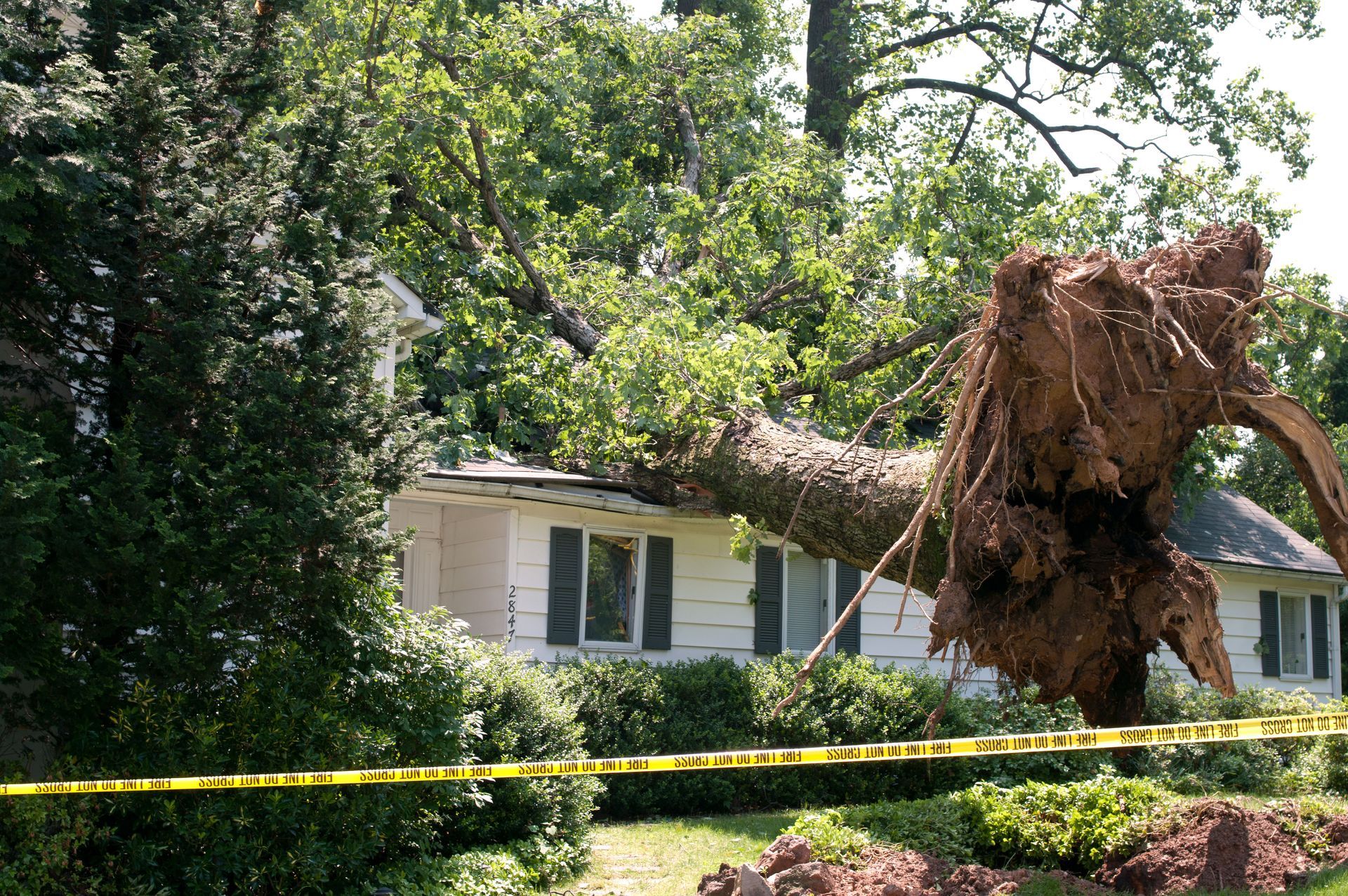
Root rot can eventually compromise a tree's structural stability. Major roots anchor the trunk and help resist forces generated by wind, saturated soil, and canopy weight. When these roots deteriorate, the likelihood of leaning or uprooting may increase. According to the University of Maryland Extension, if 50% or more of a tree has sustained damage, removal is generally recommended. However, removal decisions require individual assessment.
Professional evaluations help determine whether continued management is reasonable or removal offers a safer alternative. Arborists consider the location and extent of decay, remaining structural support, and potential consequences of failure. Trees near homes, vehicles, or frequently occupied areas may require particular attention. When substantial root deterioration creates unacceptable risks, removal may be recommended to protect surrounding property and household safety.
Monitoring Tree Health and Preventing Recurrence
Managing early root rot often requires ongoing observation because changes in tree health develop gradually. Even after drainage improvements or treatments, affected trees may need time to demonstrate whether their condition is stabilizing. Homeowners should monitor foliage density, seasonal growth, branch dieback, and changes around the trunk. New fungal growth, increasing lean, or expanding decay may indicate worsening conditions.
Routine assessments allow arborists to review previous recommendations and identify developing concerns. A professional tree service may suggest periodic inspections, irrigation adjustments, and continued protection of the root zone. Property owners can also reduce preventable stress by avoiding excessive watering, minimizing soil compaction, and protecting roots during landscaping projects. Consistent monitoring is particularly valuable for mature trees with a history of disease or drainage difficulties.
Early root rot can threaten tree health and stability, but timely diagnosis provides opportunities to address contributing conditions before deterioration becomes extensive. Arborists evaluate visible symptoms, inspect roots, assess soil moisture, identify potential pathogens, and recommend appropriate treatments. Although damaged roots cannot always recover, improving growing conditions and monitoring structural stability can help protect surviving tissues and surrounding property. Working with an experienced tree service allows homeowners to make informed decisions about treatment, preventive maintenance, and removal when necessary. Recognizing unusual foliage changes, persistent soil saturation, or signs of root deterioration can make professional intervention more effective. If you suspect root rot is affecting your property, contact Northern Woods Tree Service today to schedule an evaluation and explore solutions for maintaining a healthier landscape.