November 16, 2026
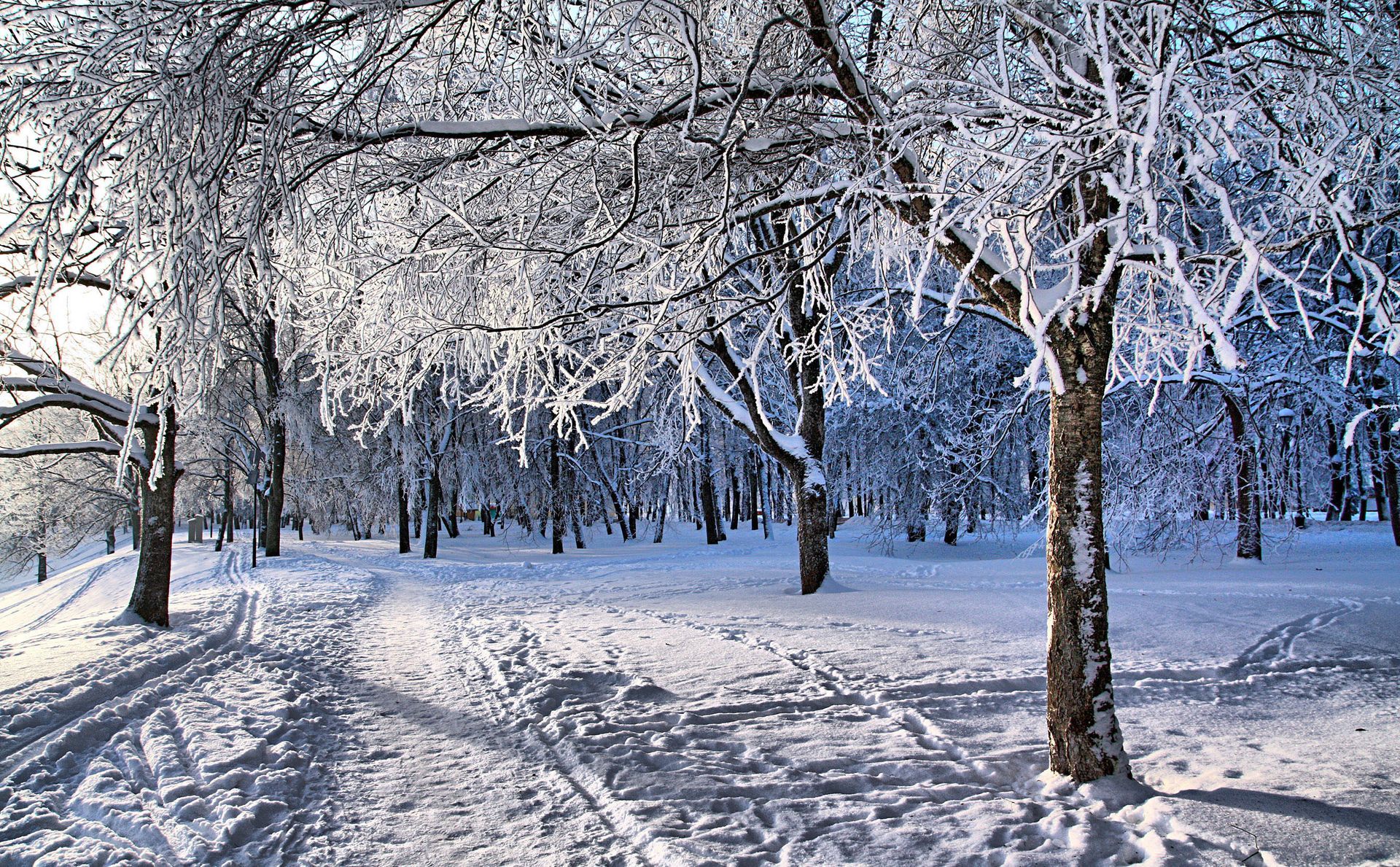
Winter in Northern Virginia brings a unique set of challenges for residential landscapes. From the rolling hills of Loudoun County to suburban neighborhoods across Fairfax and Arlington, local yards face an unpredictable mix of freezing rain, sudden temperature drops, heavy wet snow, and biting winds. While deciduous trees drop their leaves and enter a period of seasonal dormancy, their need for protection does not disappear. In fact, cold-weather stressors can cause structural damage, root dehydration, and bark injury if left unaddressed.
Taking proactive measures shields your canopy from severe storm damage while laying the groundwork for vigorous spring growth. Understanding how cold weather affects local species and knowing when to partner with certified tree services will keep your property safe and thriving throughout the coldest months of the year.
Inspecting Canopy Structures and Identifying Hazards
Winter strips away leafy cover, providing homeowners with a clear, unobstructed view of their trees' branching architecture. This seasonal visibility makes late autumn and early winter the best window to inspect large trees for hidden defects, fungal conks, internal decay, or weak limb unions.
Look closely for co-dominant stems—trunks that form a tight "V" shape rather than a sturdy "U" curve. These structural flaws harbor included bark and lack the connective wood necessary to support the immense weight of accumulated snow or glaze ice. Catching these structural vulnerabilities early is vital, as cold snaps make mature wood brittle and prone to sudden failure.
Pruning During the Dormant Season
Dormant pruning is one of the most beneficial cultural practices you can provide for your landscape. Pruning between late autumn and early spring, while the tree rests, offers several key biological advantages:
- Minimized Disease Transmission: Fungal spores and destructive insect pests—such as the beetles responsible for Dutch elm disease or oak wilt—are inactive during freezing weather, preventing open pruning wounds from becoming infection sites.
- Reduced Plant Stress: Because deciduous canopies have already pulled their sap and energy reserves down into the root system, removing branches during winter does not deplete the tree's stored carbohydrates.
- Faster Spring Wound Closure: Clean pruning cuts made just before bud break begin compartmentalizing and producing protective callus tissue rapidly once warm weather arrives.
- Structural Optimization: Arborists can accurately thin crowded crowns, correct crossing branches, and establish a dominant leader without the visual obstruction of foliage.
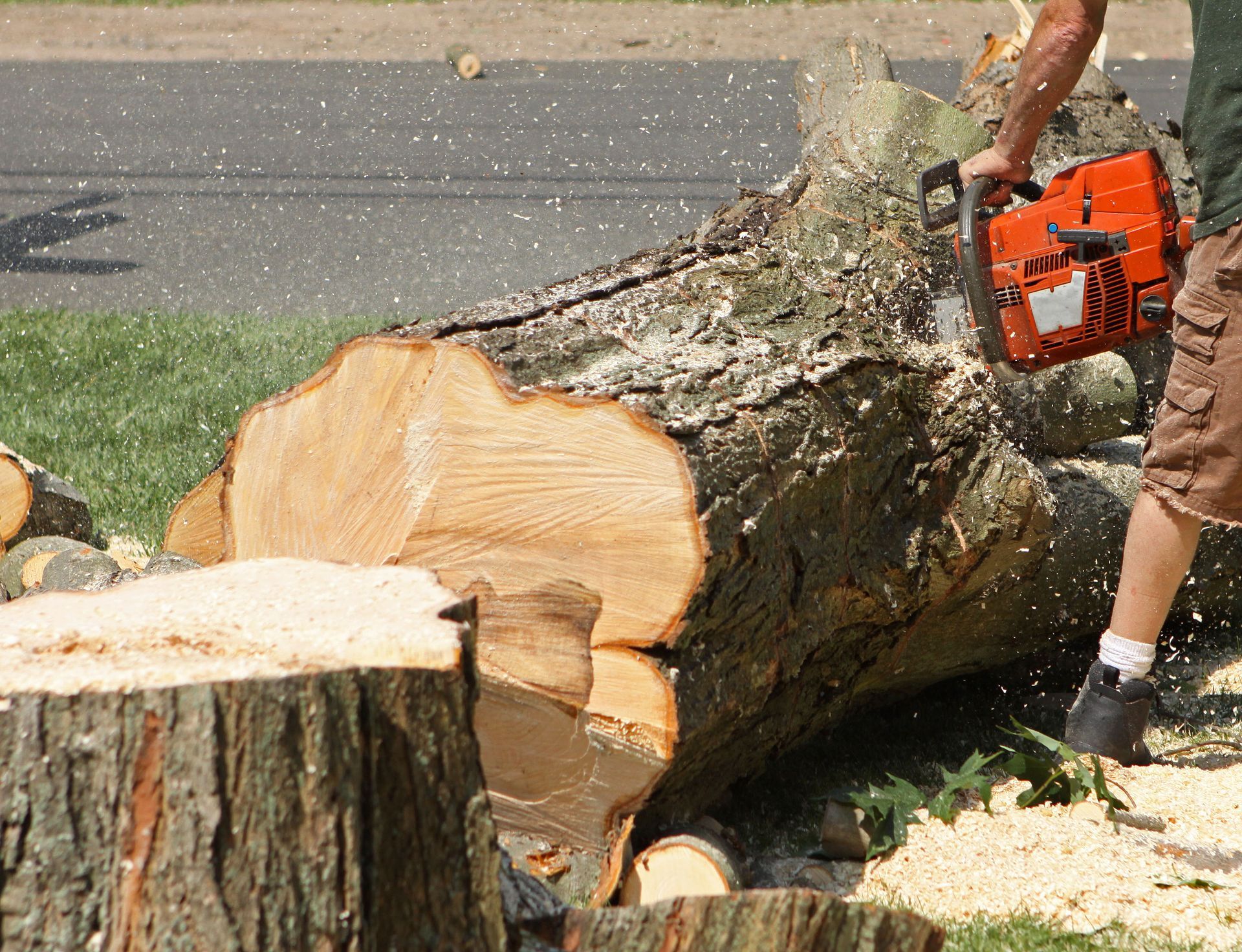
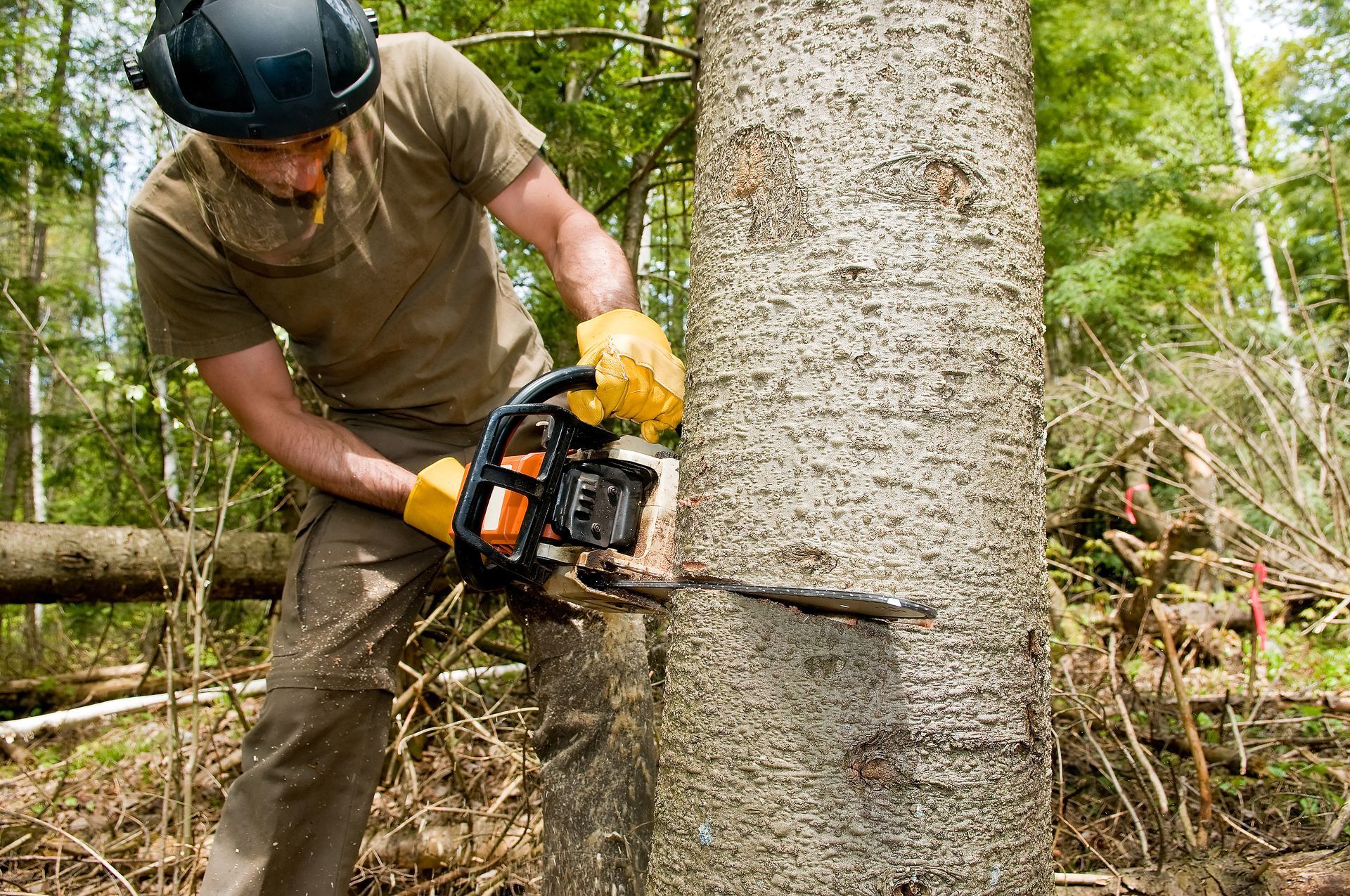
Homeowners frequently wonder whether they should tackle this work themselves or bring in experienced crews. According to Statista, more than 60% of homeowners rely on local tree service companies for their residential tree care. Relying on professional arborists ensures that cuts are executed directly outside the branch collar rather than leaving flush cuts or torn bark stubs that cause permanent wood rot.
Protecting Root Systems With Strategic Mulching
While above-ground branches can tolerate sub-freezing air temperatures, fine subterranean feeder roots remain sensitive to extreme cold. In Northern Virginia, winter weather frequently cycles through dramatic freezes and rapid thaws. This temperature fluctuation causes the soil to expand and contract, a physical process called frost heaving. Frost heaving tears delicate root systems and exposes shallow root flares to desiccating winds.
A proper mulch layer functions as an insulating blanket, moderating soil temperatures and retaining vital moisture. Apply a moderate layer of organic, shredded hardwood mulch around the dripline of the tree. However, avoid the common mistake of "mulch volcanoes." Always leave a clear buffer zone around the base of the root flare.
Preventing Winter Desiccation and Drought Stress
Many homeowners turn off their outdoor irrigation systems in autumn and forget about watering until spring. However, winter drought is a leading cause of canopy decline across Northern Virginia, particularly for shallow-rooted ornamentals and broadleaf evergreens like hollies, southern magnolias, and rhododendrons.
Evergreens continue to lose moisture through their foliage all winter via transpiration. When the surrounding ground freezes solid, roots cannot take up water to replenish this lost moisture, causing leaves to brown along the margins, curl, and drop.
To mitigate winter burn, provide trees with deep watering sessions during prolonged dry spells in late fall and throughout the winter months whenever air temperatures remain above freezing and the ground is unfrozen. Water slowly around the entire root perimeter so moisture penetrates deep into the root zone. Applying an organic anti-desiccant spray to broadleaf evergreens can also form a protective waxy film, locking in moisture during extended cold snaps.
Guarding Against Frost Cracks and Animal Damage
Young, thin-barked trees—including red maples, cherries, and young oaks—are highly susceptible to sunscald and frost cracks. On bright, sunny winter afternoons, solar radiation heats exposed bark surfaces, stimulating dormant cambium cells into activity. Once the sun dips below the horizon or passes behind clouds, ambient temperatures drop sharply, freezing and rupturing the active tissue. This sudden thermal shock creates vertical fissures that split the bark down to the sapwood.
Wrapping the trunks of vulnerable young specimens with breathable, light-colored paper tree wrap prevents sunscald by reflecting radiant heat. Install wrap starting from ground level up to the lowest branch scaffold in late autumn, and remove it promptly in early spring to prevent moisture and insects from gathering underneath.
Additionally, winter food scarcity drives voles, mice, and deer to strip tender tree bark and feed on lower twigs. Installing a cylindrical hardware-cloth guard around the base of young trunks—seated into the dirt and extending upward—creates a durable barrier against chewing rodents.
Stabilizing Weak Canopies With Cabling and Bracing
Severe winter weather brings wet, heavy snow that clings to branches, adding significant downward load to mature trees. When snow transitions to freezing rain, glaze ice accumulates, creating catastrophic stress on long horizontal limbs and split trunks.
For trees with historical value or mature canopies located near driveways, roofs, and utility lines, supplemental structural support systems are critical. Professional tree services install high-strength steel or dynamic synthetic cables in the upper canopy to limit lateral branch sway during heavy storms. Combined with threaded steel rods through split crotches, these systems redistribute loads and keep large canopies intact without causing unnatural rigidity.
Partnering with Professionals for Storm Preparation
Winter storms in the Mid-Atlantic can strike quickly, turning compromised limbs into dangerous falling debris. Taking a proactive approach by scheduling professional evaluations before severe storms hit protects your family, property, and investments.
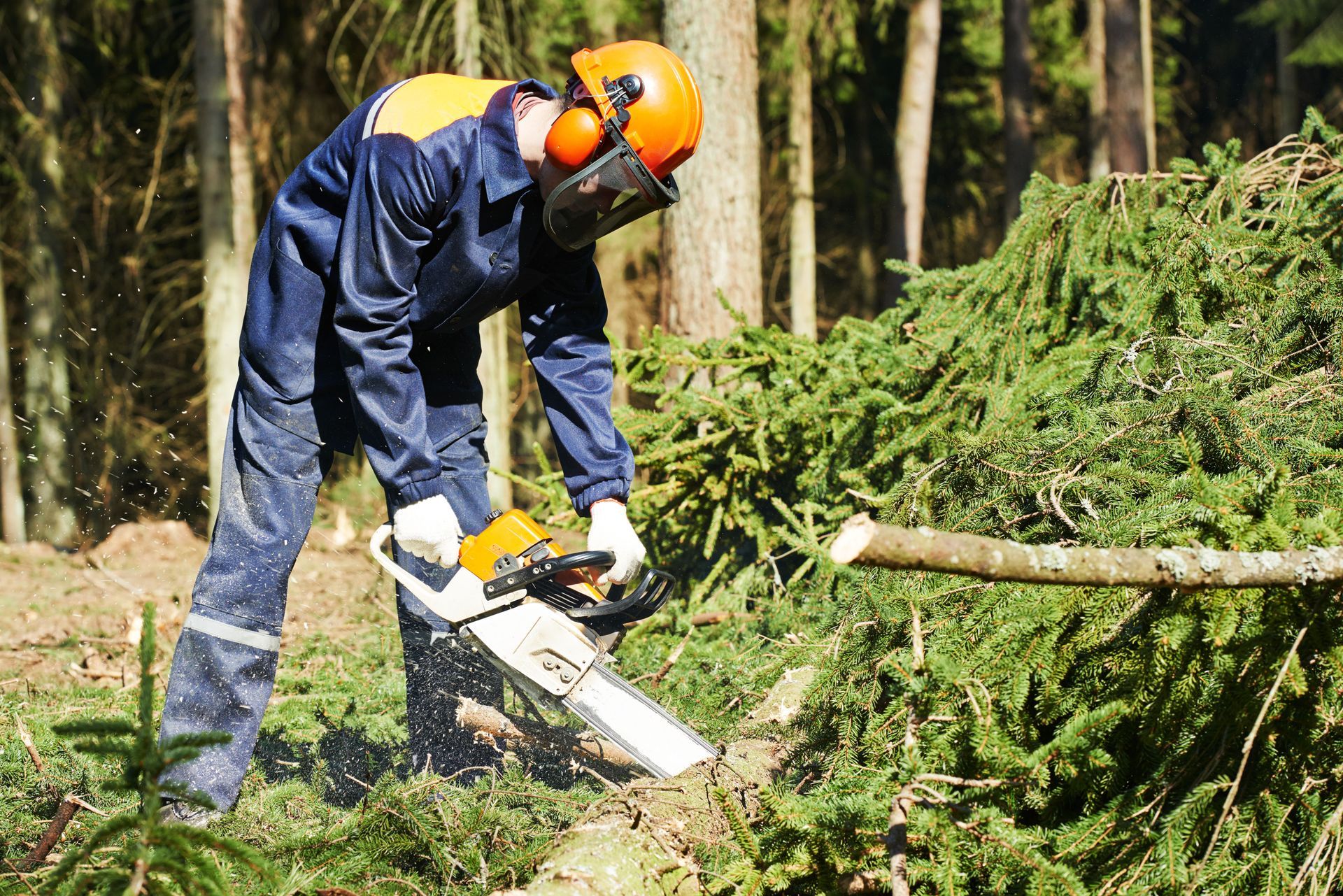
Certified arborists possess specialized rigging equipment, crane capabilities, and the diagnostic training needed to assess root stability and canopy balance. Investing in comprehensive tree services before winter weather sets in eliminates hazardous limbs hanging over rooflines, clears branches from power lines, and reduces overall wind resistance through crown thinning.
Remediating Salt and De-Icing Chemical Damage
Road de-icers, rock salt, and chemical melting agents applied to driveways and sidewalks pose a serious hazard to roadside trees. Runoff carrying high concentrations of sodium chloride leaches into the root zone, displacing essential soil nutrients while absorbing water that would otherwise hydrate the plant. Furthermore, passing vehicles spray salty slush directly onto foliage and dormant buds, causing chemical burn and delayed spring bud break.
To safeguard your landscape, use plant-safe de-icing alternatives like calcium magnesium acetate or coarse sand for traction along paved areas adjacent to planting beds. If your property borders high-traffic roadways where municipal salt spray is common, erecting temporary burlap windbreaks helps deflect salt mist.
Sustaining Winter Tree Health for Years to Come
Tree care should never be viewed as an exclusively warm-weather responsibility. The preventative steps you take during the dormant winter months establish the baseline health, stability, and aesthetic vitality of your landscape for the upcoming year. By combining regular canopy inspections, proper pruning techniques, defensive mulching, and targeted watering, homeowners can effectively protect their trees from winter's harshest elements. Partnering with experienced tree services ensures that delicate procedures—from high-canopy deadwooding to dynamic cabling—are executed with scientific precision and safety.
To ensure your property’s trees are fully prepared to endure cold weather, heavy snow, and high winds this season, contact Northern Woods Tree Service today to schedule your comprehensive winter tree assessment.