April 16, 2026
Trees are a valuable part of any property, offering shade, beauty, and environmental benefits. However, when a tree becomes unstable or damaged, it can quickly turn into a serious hazard. Situations involving compromised trees often require immediate attention to protect both people and property. Recognizing the warning signs early can make all the difference in preventing accidents and costly damage. This is where an emergency tree service becomes essential. Professional crews have the expertise, equipment, and training needed to assess dangerous situations and take swift, safe action.
Understanding when to call for immediate assistance is crucial for maintaining a safe environment. While some tree issues develop gradually, others can escalate suddenly, especially after severe weather or unexpected structural failure. Being able to identify these urgent signs ensures that you can act quickly and avoid unnecessary risks.
1. Identify Leaning Trees That Appear Unstable
One of the most obvious warning signs that you need an emergency tree service is a tree that has started to lean significantly. While some trees naturally grow at slight angles, a sudden or dramatic lean is often a sign of structural instability. This can indicate that the root system has been compromised or that the soil surrounding the tree is no longer providing adequate support.
A leaning tree poses an immediate risk, especially if it is located near a home, driveway, or power lines. The direction of the lean can often indicate where the tree is most likely to fall, making it a serious concern for nearby structures and people. Ignoring this issue can lead to unexpected collapse, particularly during strong winds or storms.
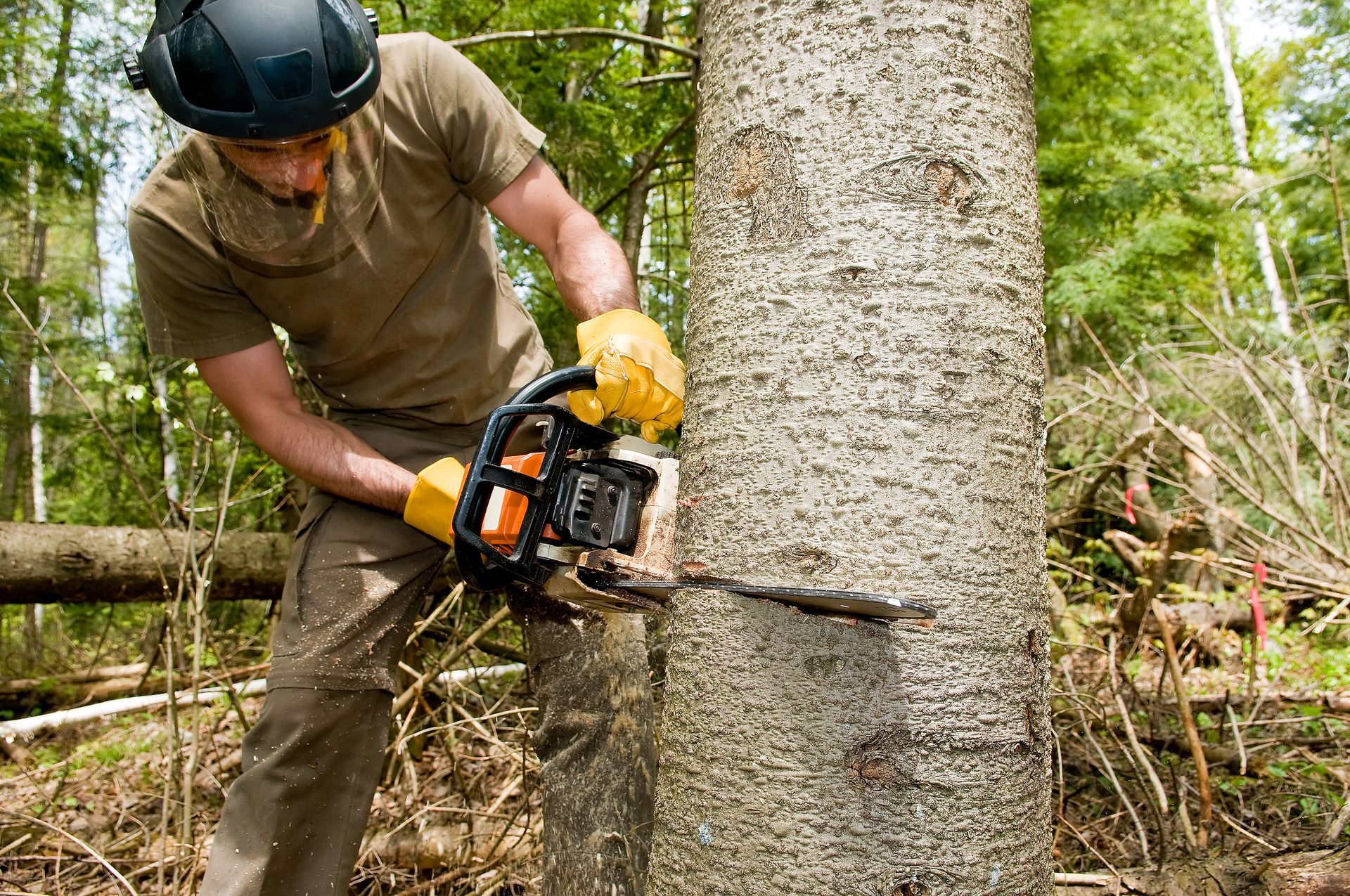
Professional arborists are trained to evaluate the severity of the lean and determine whether the tree can be stabilized or needs to be removed. Attempting to address a leaning tree without proper equipment and knowledge can be extremely dangerous. Relying on an emergency tree service ensures that the situation is handled safely and efficiently.
2. Recognize Large Cracks or Splits in the Trunk
Visible cracks or splits in a tree trunk are clear indicators of internal weakness. These structural defects can develop due to age, disease, or environmental stress, and they often signal that the tree is at risk of breaking apart. When a tree’s trunk is compromised, its ability to support its own weight is significantly reduced.
Large cracks can extend deep into the tree, affecting its core stability. In some cases, the tree may appear intact from the outside, but internal damage can make it highly susceptible to sudden failure. This is especially dangerous because the tree may fall without warning.
Calling an emergency tree service as soon as you notice these signs is essential. Professionals can assess the extent of the damage and determine the best course of action. Addressing trunk damage promptly helps prevent accidents and ensures that the tree does not become a larger hazard over time.
3. Notice Hanging or Broken Branches
Hanging or broken branches, often referred to as “widowmakers,” are one of the most immediate dangers associated with damaged trees. These branches can fall at any time, posing a significant risk to anyone nearby. Even a seemingly small branch can cause serious injury or property damage when it falls from a height.
This issue is particularly common after storms, when high winds or heavy rain can weaken branches and cause them to snap. However, it can also occur due to disease or natural aging. Regardless of the cause, hanging branches should never be ignored.
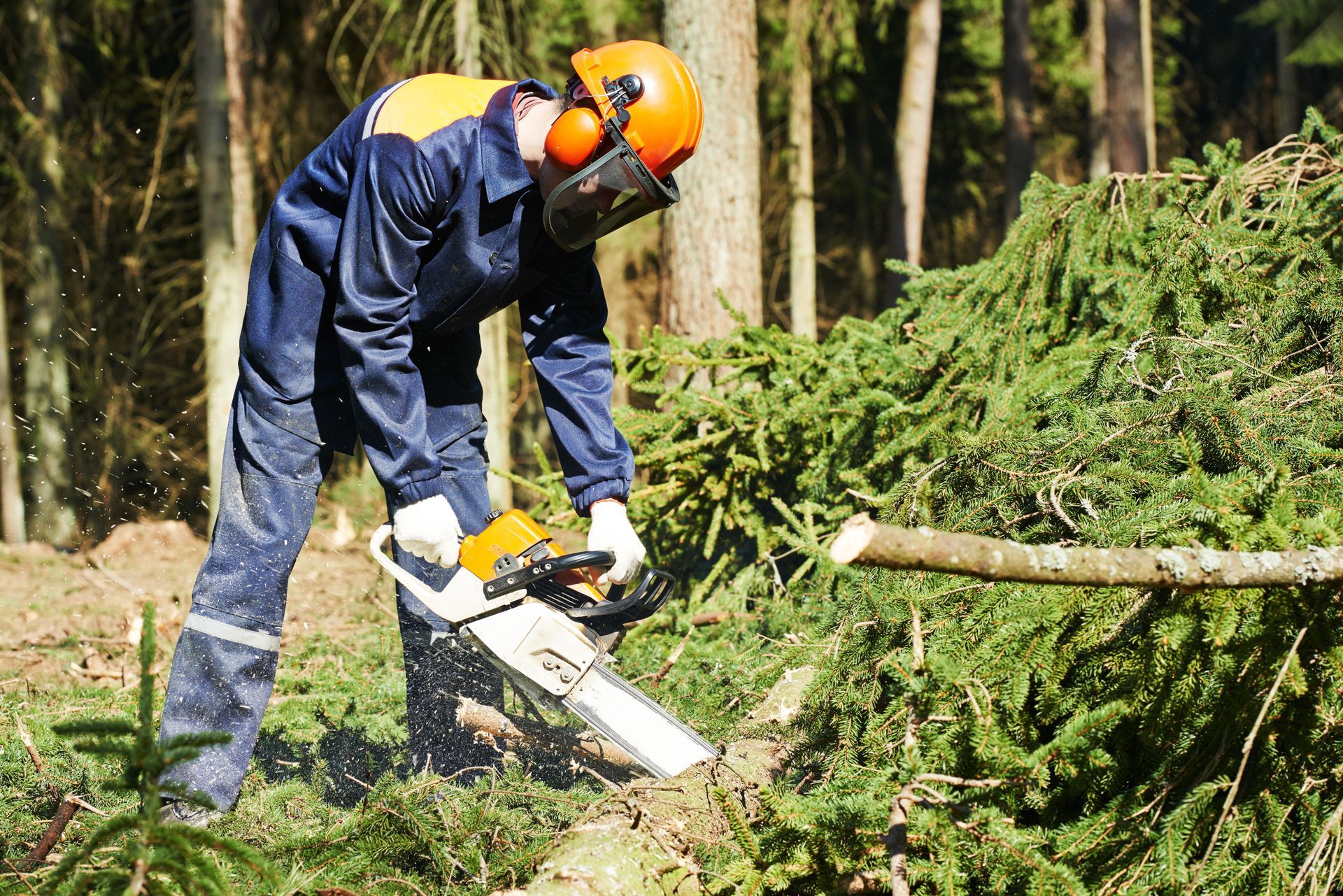
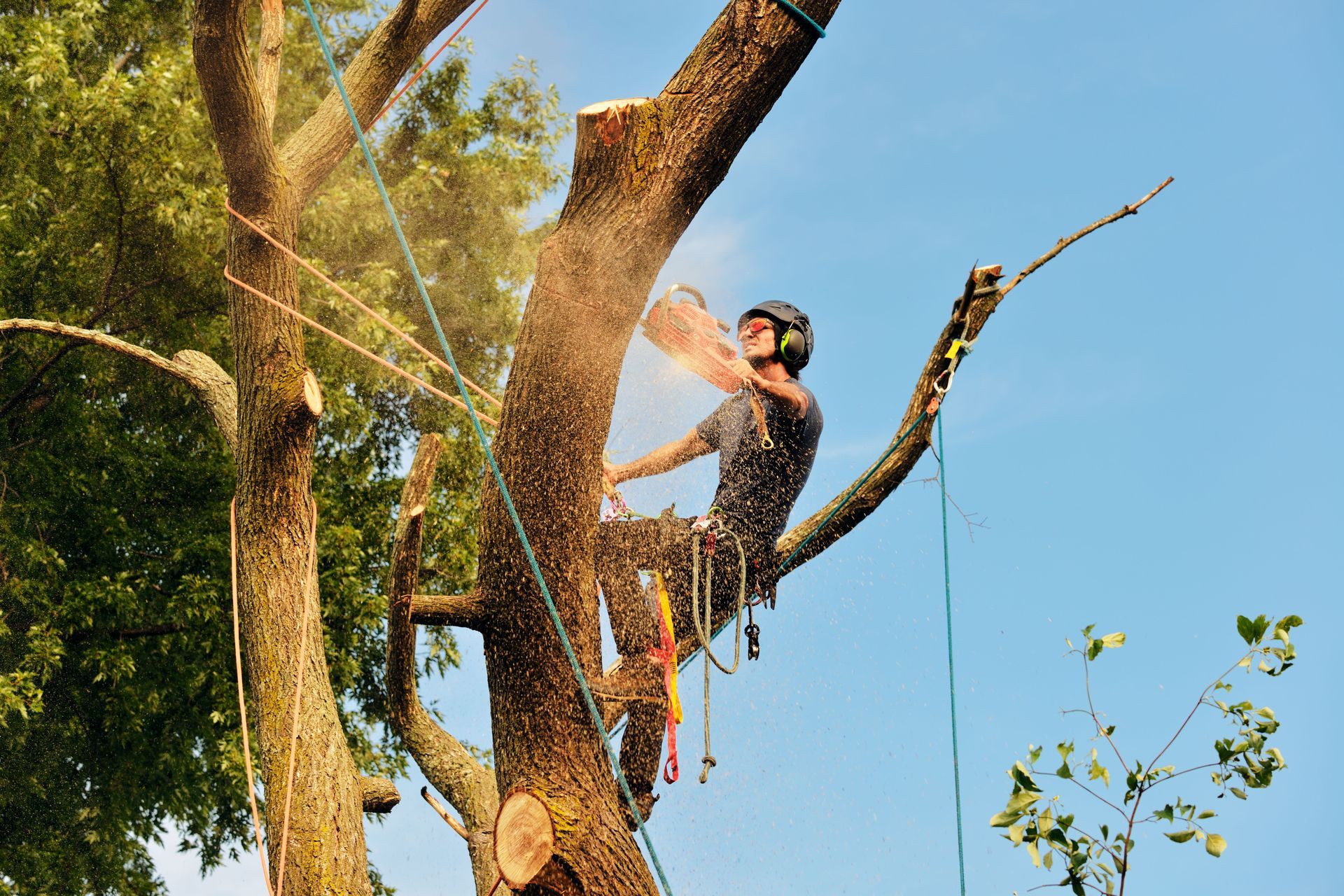
An emergency tree service can quickly and safely remove hazardous branches using specialized equipment. Professionals are trained to work at heights and handle unstable limbs, reducing the risk of injury. Prompt removal of broken branches helps restore safety to your property and prevents further complications.
4. Detect Uprooted or Shifting Trees After Storms
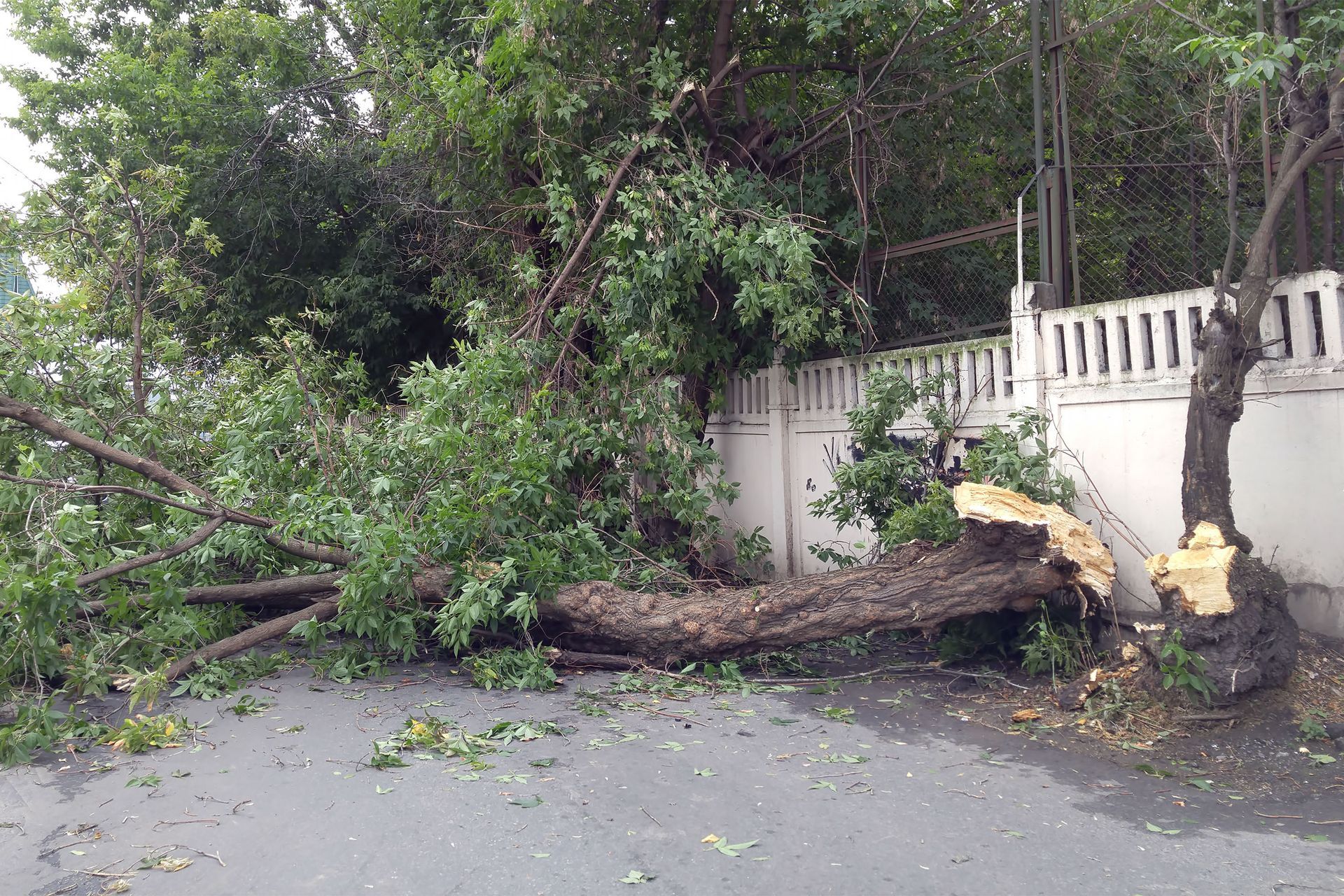
Severe weather can have a dramatic impact on trees, often causing them to become uprooted or shift in the ground. Even if a tree has not completely fallen, partial uprooting can make it highly unstable. The root system plays a crucial role in anchoring the tree, and any disruption can compromise its ability to remain upright.
After a storm, it is important to inspect your property for signs of shifting trees. Soil displacement, exposed roots, or a noticeable tilt are all indicators that the tree may be at risk of falling. These situations require immediate attention, as the tree could collapse with little warning.
Emergency tree service professionals are equipped to handle storm-related damage efficiently. They can assess the stability of affected trees and take the necessary steps to secure or remove them. Acting quickly after a storm helps minimize the risk of further damage and ensures that your property remains safe.
5. Observe Trees in Contact With Power Lines
Trees that come into contact with power lines present a serious and potentially life-threatening hazard. This situation can occur when branches grow too close to electrical lines or when a tree falls during a storm. In either case, the risk of electrical shock and fire is extremely high.
It is critical to never attempt to handle this situation on your own. Power lines carry high-voltage electricity, and even indirect contact can be dangerous. Instead, contacting an emergency tree service is the safest course of action. Professionals have the training and coordination with utility companies needed to address the issue safely.
By addressing trees near power lines promptly, you can prevent outages, reduce fire risks, and protect the safety of everyone in the area. This type of hazard should always be treated as an urgent situation that requires immediate professional attention.
6. Identify Signs of Disease or Decay Weakening the Tree
Tree diseases and decay can significantly weaken a tree’s structure, making it more prone to failure. While these issues often develop over time, they can reach a point where the tree becomes an immediate hazard. Signs of disease may include discolored leaves, fungal growth, or sections of the tree that appear dead or deteriorated.
Decay can occur internally, making it difficult to detect until the damage is severe. Hollow sections, soft wood, or peeling bark are all indicators that the tree’s structural integrity has been compromised. When a tree is weakened by disease or decay, it is more likely to break or fall unexpectedly.
According to Statista, over 60% of homeowners rely on local providers for residential tree maintenance, highlighting how common it is to seek professional care for tree-related issues. In urgent cases, an emergency tree service can evaluate the condition of the tree and determine whether removal or other interventions are necessary.
Addressing disease and decay promptly helps prevent accidents and ensures that your landscape remains safe and healthy. Professional assessment is key to identifying the extent of the problem and taking appropriate action.
Trees enhance the beauty and value of any property, but when they become damaged or unstable, they can pose serious risks. Recognizing the signs that require immediate attention is essential for protecting your home, your family, and your surroundings. From leaning trees and cracked trunks to hanging branches and storm damage, these warning signs should never be ignored.
Taking swift action by contacting an emergency tree service ensures that hazardous situations are handled safely and effectively. Professional expertise allows for accurate assessments and proper solutions, reducing the risk of injury and property damage. Staying proactive and aware of these signs helps maintain a safe and secure environment for everyone.
When urgent tree issues arise, you need a team you can trust to respond quickly and handle the situation with care. At Northern Woods Tree Service, we are committed to providing reliable solutions that prioritize safety and efficiency. Let us help protect your property with our professional emergency tree service when it matters most.