May 11, 2026
Choosing the right tree removal service is essential for protecting both your property and your peace of mind. Tree removal is not merely cutting down a tree—it involves careful planning, risk management, and sometimes emergency responses. With the potential safety hazards and financial investment involved, selecting a skilled and reliable service can prevent costly mistakes. Whether you’re dealing with an aging tree, storm damage, or an obstructive growth, hiring the right professionals ensures the process is safe and efficient. This article guides you through seven key questions to ask before hiring a tree removal service, helping you make an informed choice that safeguards your property and delivers peace of mind.
1. Evaluating the Company’s Experience
The experience of a tree removal service is one of the most reliable indicators of its ability to handle complex projects safely. A company with a long-standing presence demonstrates proven performance and familiarity with different types of removal challenges. Their expertise can make a significant difference when navigating tricky jobs, such as trees near structures, fences, or utility lines. Experienced crews are better equipped to anticipate potential hazards and handle emergencies efficiently, which is especially important for large or old trees that could pose serious risks.
Additionally, different trees require different handling techniques due to their unique traits and growth patterns. A company experienced with the specific trees on your property can ensure proper methods are applied, reducing the risk of property damage. For example, pine trees with brittle branches require careful sectional removal to prevent falling debris, while hardwood oaks may demand heavier rigging and more precise cuts. Client testimonials and past project success stories further reflect a company’s competence. According to leading arborist organizations, emergency tree removal calls account for roughly 20% of all tree service requests, highlighting the importance of working with a team capable of handling urgent scenarios efficiently. Evaluating experience also means confirming that crews are well-trained in safety standards, proper equipment use, and environmental best practices.
2. Verifying Licensing and Insurance
Licensing ensures a tree removal service meets local regulations and industry standards. Companies operating without proper licensing may lack essential training or authority, putting clients at risk. Confirming a company’s licensing protects you legally and demonstrates their commitment to safety. Licensing also ensures that a company is aware of local restrictions, permits, or municipal rules that may affect removal, which is crucial to avoid fines or legal complications.
Insurance coverage is equally critical, including both liability and worker’s compensation. This protects property owners from potential accidents or damages during removal. Comprehensive insurance should cover damage to structures, landscaping, and vehicles, as well as any injuries sustained by workers on-site. A legitimate service should provide proof of insurance and explain coverage clearly. Verifying licensing and insurance not only safeguards your property but also indicates professionalism and reliability, giving you confidence in the company’s ability to handle any situation responsibly.
3. Understanding Pricing and Payment Options
Obtaining a detailed, itemized quote is essential to prevent unexpected costs. A transparent pricing breakdown should include labor, equipment, permits, and debris removal. Comparing quotes from multiple services helps ensure fair pricing and highlights any hidden fees. For larger trees or challenging removal scenarios, costs can escalate quickly, so clarity in pricing is especially important.
Understanding the components of pricing—such as disposal fees, labor, and equipment—clarifies why estimates may vary and ensures no essential services are overlooked. Some companies may offer premium services like crane-assisted removal or emergency response options, which can affect the total cost. Flexible payment plans can ease financial pressure, especially for larger projects. Discussing payment methods upfront demonstrates professionalism and customer-focused service. By clearly understanding pricing, you can avoid surprises and make a decision that balances affordability with quality and safety.
4. Assessing Customer Service and Communication
A tree removal service’s responsiveness is a strong reflection of its professionalism. Prompt replies to inquiries and clear communication indicate that the company values client relationships and prioritizes clarity. The initial consultation is a great opportunity to gauge responsiveness, attentiveness, and willingness to answer questions thoroughly.
Professionalism in interactions—from courteous staff to knowledgeable consultation—helps instill confidence in the service. Good communication ensures that you understand the scope of work, the estimated timeline, and any potential challenges before the project begins. Availability during and after the service is equally important. Follow-up support ensures that any remaining issues or concerns are addressed promptly. Companies that maintain open channels of communication foster trust and create a smoother, stress-free experience for clients throughout the project.
5. Evaluating Methods and Techniques
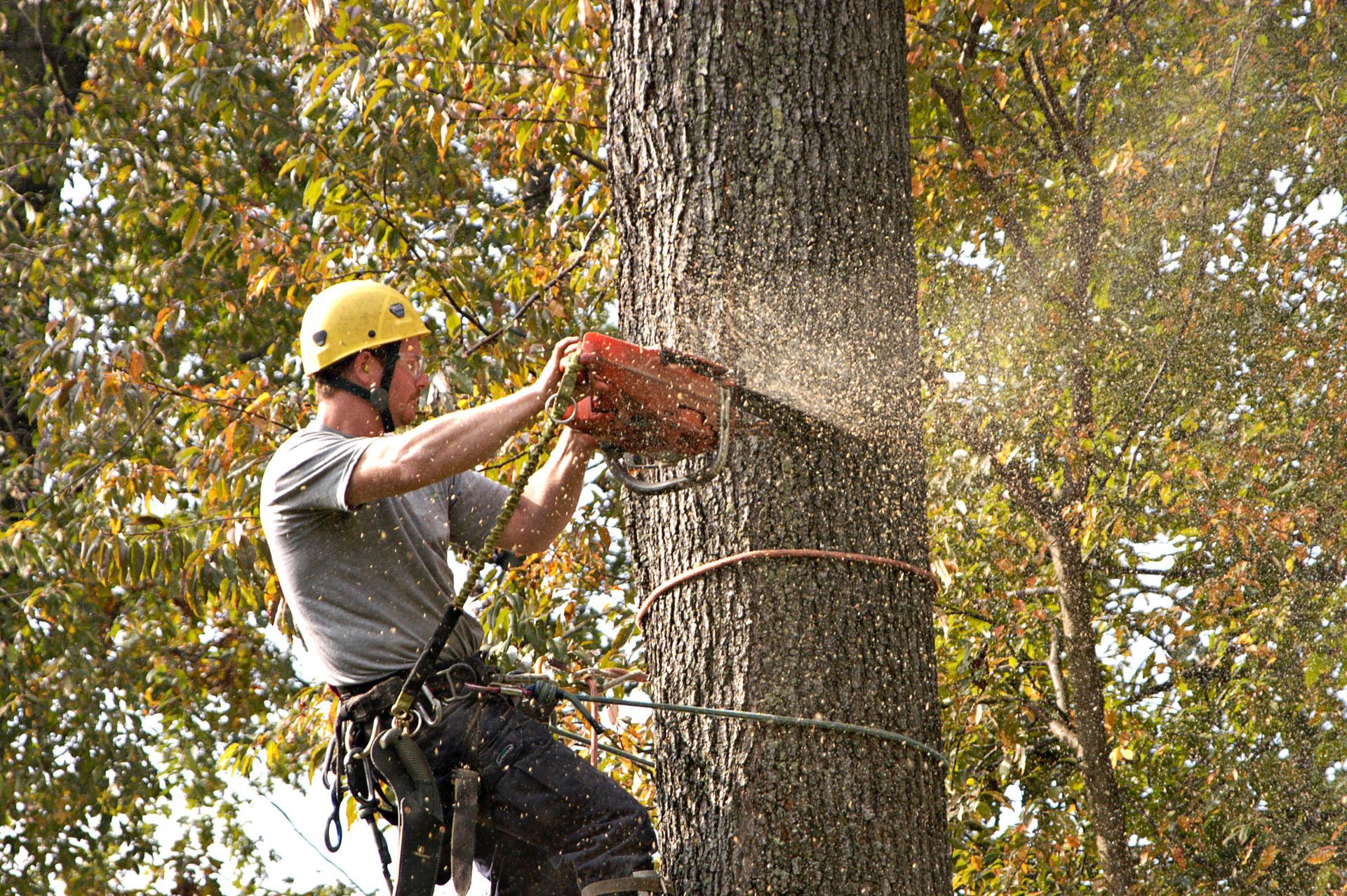
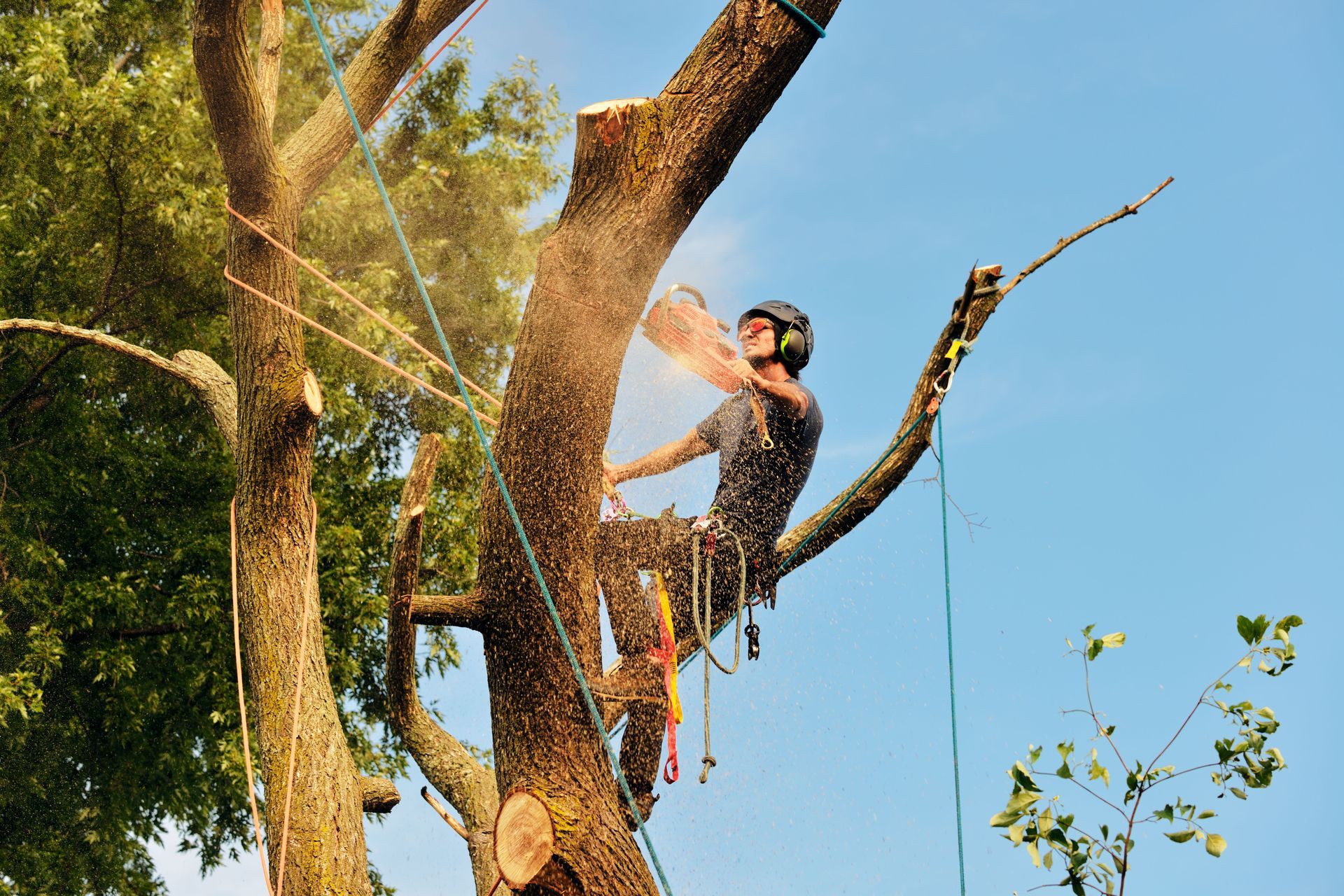
The techniques used by a tree removal service affect both safety and efficiency. Methods like sectional dismantling, rigging, or canopy lifts should match the tree’s size, location, and condition. Confirming that a company uses appropriate, safe techniques minimizes risks and property damage. For instance, a tree located near a home or fence may require a crane-assisted removal, while isolated trees can often be handled with traditional climbing and cutting methods.
Environmentally conscious practices are an additional consideration. Companies that recycle wood, preserve surrounding vegetation, or promote replanting demonstrate responsibility toward the environment. Proper pre-removal assessments identify hazards, evaluate tree health, and guide the safest removal approach. According to the National Arborist Association, roughly one-fifth of all tree service requests are for emergency removals, making timely evaluations critical. Asking about methods and safety practices also helps ensure the team is prepared for unexpected challenges, like hidden root systems or unstable branches, which can influence the project’s complexity and timeline.
6. Checking Guarantees and Warranties
Service guarantees provide reassurance that the company stands behind its work. Guarantees may cover completion within a timeframe or adherence to project specifications, reflecting professionalism and commitment to client satisfaction. A company that offers a satisfaction guarantee is more likely to go the extra mile to resolve issues quickly and effectively.
Equipment warranties demonstrate a company’s investment in high-quality tools, ensuring that operations proceed smoothly without unnecessary delays. This reflects both reliability and a commitment to operational excellence. Post-removal warranties offer additional security, addressing potential issues such as stump removal, debris cleanup, or structural concerns after the project. Understanding warranties gives clients peace of mind and confidence that the service provider values long-term satisfaction.
7. Verifying Reviews and References
Online reviews offer a window into a company’s reputation and reliability. Platforms like Google, Yelp, and industry-specific forums reveal trends in service quality, professionalism, and problem-solving. Reading reviews provides insight into what it’s like to work with the company, highlighting both strengths and potential challenges.
Requesting references from past clients adds a personal perspective that online reviews can’t always capture. Speaking directly with homeowners or property managers allows you to ask about communication, timeliness, and overall satisfaction. A company with a strong local reputation and proven track record demonstrates consistent quality and reliability. Evaluating reviews and references ensures you hire a service capable of delivering a safe, efficient, and professional tree removal experience.
Selecting the right tree removal service involves careful evaluation of experience, licensing, insurance, pricing, customer service, techniques, guarantees, and reputation. Asking the right questions ensures you work with professionals who prioritize safety, efficiency, and client satisfaction. Thorough research and evaluation protect your property, reduce risks, and create a smoother removal process. By taking the time to assess each aspect of a service, you can confidently hire a company that meets your specific needs. For dependable, professional assistance and expert tree care, contact Northern Woods Tree Service today to schedule a consultation.